How Long Does EV Charger Installation Take in Orange, CA?
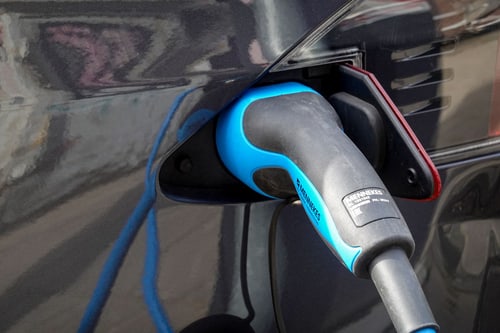
How long does EV charger installation take? For most homes in Orange, CA, the charger itself goes on the wall in a single visit, often two to four hours of hands-on work, and you are charging the same day. The longer answer depends on what sits behind the outlet: your electrical panel, the distance from the panel to the parking spot, and the City of Orange permit and inspection steps that every compliant install follows. Those variables are why one neighbor is charging by lunchtime while another waits two weeks. This guide breaks down the real timeline, from the first quote to your first full battery, and shows where the hours and days actually go so you can plan around them.
The Short Version
The physical installation of a home EV charger usually takes two to four hours; a complex job with panel work or a long wire run can run most of a day.
The full timeline from a signed quote to your first charge is more often one to three weeks, because permits, inspection scheduling, and any panel upgrade add calendar days, not labor hours.
A dedicated 240-volt, 40-amp circuit is what the National Electrical Code requires for a typical Level 2 charger, and running that circuit is most of the install-day work.
If your panel is full or rated below 200 amps, a panel upgrade is the single biggest timeline variable and is often done as its own appointment.
The City of Orange requires a permit and a final inspection for EV charger electrical work, which adds scheduling time but protects the install.
Having the panel accessible, the parking spot chosen, and the charger on hand before the electrician arrives is the easiest way to keep the job to a single day.
How Long Does the Actual Installation Take?
The hands-on installation of a home EV charger typically takes two to four hours. For a straightforward job, where the electrical panel sits in the garage a few feet from where the car parks and has spare capacity, a licensed electrician can mount the charger, run a short dedicated circuit, connect it, and test it inside a single morning. The work itself is well-defined: install the breaker, run conduit and wire to the charger location, mount and connect the unit, then energize and verify it. Most of that time goes into running the circuit cleanly and safely, not the charger hookup itself. Jobs stretch toward a full day when the panel is far from the parking area, when the wire has to cross the house or go underground, or when the panel needs attention first. The charger brand rarely changes the duration; a hardwired unit and a plug-in NEMA 14-50 outlet take about the same time to install.
What's the Full Timeline From Quote to First Charge?
From the first quote to a working charger, plan on one to three weeks for most Orange homes, even though the labor is a single day. The calendar fills with steps that happen between visits. After you accept a quote, the electrician pulls a permit, schedules the install, completes the work, and then books a final inspection with the city, and inspectors are not always available the next day. According to the U.S. Department of Energy, a typical residential Level 2 charger needs a dedicated 40-amp circuit to meet National Electrical Code Article 625, and that circuit is what the permit and inspection sign off on. If no panel work is needed and the permit clears quickly, the whole thing can wrap in a few days. If the schedule is busy or a part has to be ordered, it drifts toward three weeks. Knowing this up front keeps the wait from feeling like a delay.
Does Your Electrical Panel Add Time?
Your panel is the single biggest factor in how long the project takes. Before touching anything, a licensed electrician runs a load calculation to confirm the panel can carry a 40-amp EV circuit on top of your existing air conditioning, range, and other loads. If there is room, the circuit goes in on install day and nothing else changes. If the panel is full or rated below 200 amps, which is common in Orange's older neighborhoods around the Old Towne Orange historic district, you likely need a panel or service upgrade first. That upgrade is frequently scheduled as its own appointment because it can involve the utility and a separate inspection, and it is what turns a one-day project into a one-to-two-week one. The upside is cost help: Southern California Edison's Charge Ready Home program offers up to $4,200 toward a panel upgrade and EV outlet, or up to $1,000 for an outlet alone on a 200-amp panel. Sorting the panel out early is the best way to protect your timeline.
How Do Permits and Inspections Affect the Schedule?
A permit and a final inspection are part of every compliant EV charger install in Orange, and they add calendar time rather than labor. An EV charger is electrical work, and the City of Orange Building and Safety Division issues those permits and runs the inspections through its Civic Portal. A reputable electrician handles the paperwork for you, pulling the permit before the work and scheduling the inspection after. The permit itself is usually quick for a standard residential circuit, but the inspection has to fit the city's calendar, so it may land a few days after the install is finished. Skipping the permit is never worth it; unpermitted electrical work can surface during a home sale, void equipment warranties, and create a real safety liability. Building the permit and inspection window into your expectations, rather than assuming the job ends when the electrician leaves, is what keeps the timeline realistic.
When Does Wiring or Trenching Slow Things Down?
Distance between the panel and the parking spot is the quiet timeline killer. When the charger mounts on the same garage wall as the panel, the circuit run is short and fast. When the panel is on the opposite side of the house, in a back room, or in a detached garage, the electrician has to route conduit through walls, across the attic, or underground, and every extra foot adds time. A detached garage or a driveway charger often needs a trench for buried conduit, which can add hours or push the work into a second visit depending on the length and the surface being crossed. Homes that want a hardwired charger on a long run are the most affected, since the wire gauge goes up and the pull gets harder. None of this is unusual, but it is worth flagging at the quote stage so the estimate and the schedule reflect the real distance, not a best case.
What Can You Do to Speed Up Your Installation?
A few simple steps keep your install to a single day. Clear access to the electrical panel and the charger location so the electrician is not working around boxes or parked cars. Decide exactly where you want the charger mounted and which direction the cable needs to reach, since changing your mind mid-job costs time. If you have already bought your charger, have it on site and in the box; if not, let the electrician recommend a unit so there is no waiting on shipping. Ask for the load calculation early, before install day, so any panel issue is known in advance rather than discovered with the breaker already open. Finally, choose an electrician who pulls the permit and books the inspection as part of the service, so the administrative steps run alongside the work instead of after it. Preparation does not shorten the labor, but it is the difference between one visit and three.
What Actually Sets Your Timeline
If you remember one thing, let it be this: the charger on the wall is the fast part, and everything behind it is what decides your wait. A home with a modern 200-amp panel a few feet from the parking spot can be charging the same day. A home that needs a panel upgrade, a long underground run, or a busy inspection slot is looking at a week or more, and that is normal, not a warning sign. The smartest move is to get a real load calculation and a clear quote before you commit, so you know which of those two timelines is yours.
When you are ready to map out the specific steps for your house, the licensed team at EV Charger Installation Orange can walk your panel and parking setup and handle the Level 2 charger installation and any panel upgrade from permit to inspection.
Not sure whether your Orange home needs a panel upgrade before a charger goes in? Get a clear, flat-rate answer from a licensed C-10 team that installs across Orange County.
Instant QuoteGet a Straight Answer on Your Install Timeline
Tell us about your panel and where you park, and our licensed, EVITP-certified electricians will give you a flat-rate quote and a realistic schedule for charging at home across Orange County.